Logo Salus & Green

LIPU Venice: avoid pruning trees (even) in summer

lipu-venezia-potatura-alberi
The association together with WWF gives some tips on the proper management of greenery

Let us immediately dispel a myth that tradition has accustomed us to believe,” they begin from LIPU Venice. Trees are not good for pruning; on the contrary. Cutting branches just to do it finds no valid scientific argument, a plant should be pruned only when and if it is needed and possibly by experienced and competent hands. In fact, this procedure means exposing greenery to external pathogens, opening a “corridor” that risks weakening, if not condemning, the plant, so it should be reduced to the essentials and only as much as necessary. The habit of trimming trees with the change of season annually is the ideal way to risk irreversibly compromising the tree stock, which is increasingly valuable in light of climate change “.

Faced with the great summer heat, whose waves are getting more and more fiery from year to year,” they add. the worst thing you can do is just to cut down trees, both because you compromise the habitat of many animals, from birds to the bats that hide in the hollows, and because you limit the trees’ ability to naturally lower the temperature by mitigating the climate a bit, as well as going to weaken them in a season that is not suitable for cutting them down, since they are in the midst of plant activity. If birds and bats can bother us, let us remember their role in nature, the former in limiting the proliferation of certain species and the latter particularly gluttonous of mosquitoes, one of the insects that most annoys during hot summer evenings “.

When and how to prune trees? Not in summer (even in Venice)

To recap from LIPU they have no doubt: “Trees should be pruned only when needed, absolutely it should not be a habit with the belief that doing so will strengthen the plant because it is just the opposite. Excluding fruit trees, whose interventions are production-oriented, ornamental stem vegetation should be cut not only according to need but also to the precise species, in fact not all have the same response. There are varieties that tolerate human intervention quite well, such as the hackberry trees, which are typical of our area, while others such as the cherry trees poorly tolerate cutting. This is because each plant has its own characteristics and you should turn accordingly and experts, such as registered gardeners or qualified personnel “.

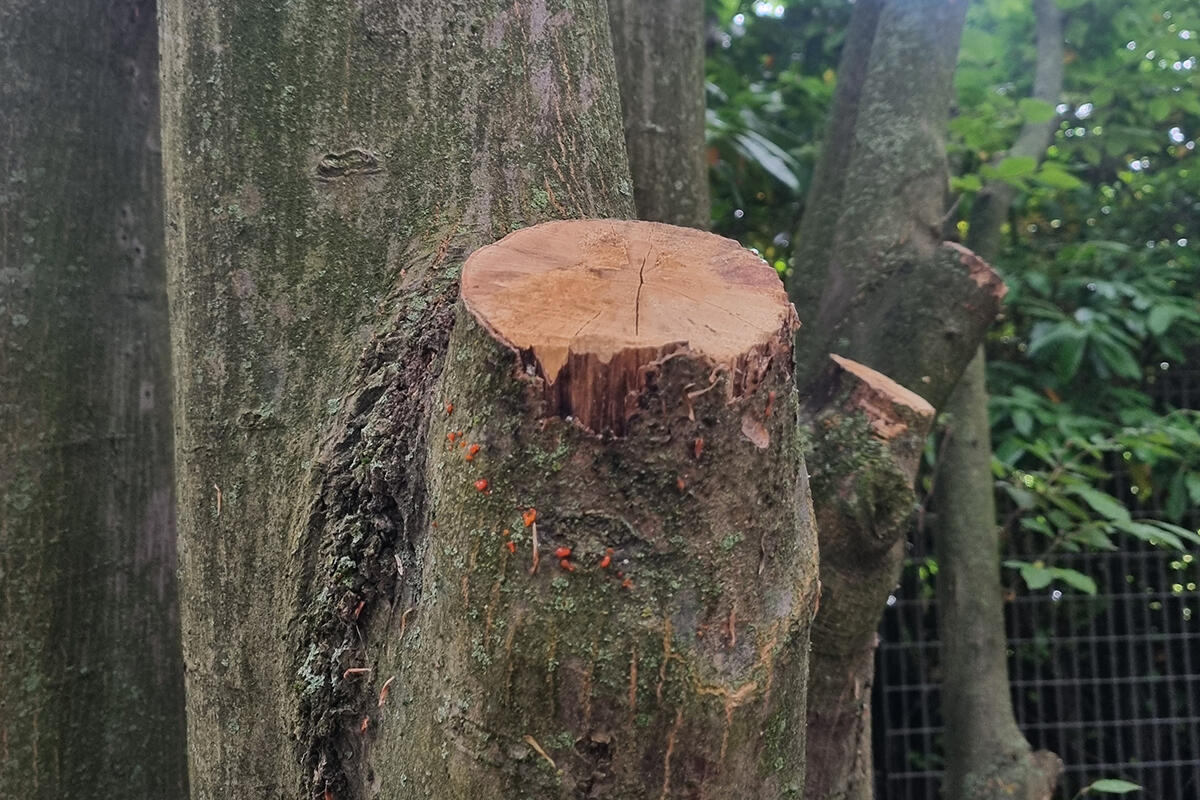
In any case, if the need for action arises for plants living in our gardens or in the city ,” they add. pruning should be done when plants are in dormant, that is, at their lowest activity. This condition typically occurs in winter when trees are leafless or, in the case of evergreens, when they have no new shoots. If you are not very experienced it is better to see online some video tutorials on how to intervene according to the type of species with the best pruning, which typically are those that are not visible because they leave minimal traces on the specimen. It should always be remembered then that the blade you use should be disinfected, even with a little gasoline, between plants to prevent the spread of pathogens. In addition, it would be advisable, once the operation is done, to apply synthetic bark to isolate the wound, which otherwise remains an entrance for threats to the health of the tree flora “.
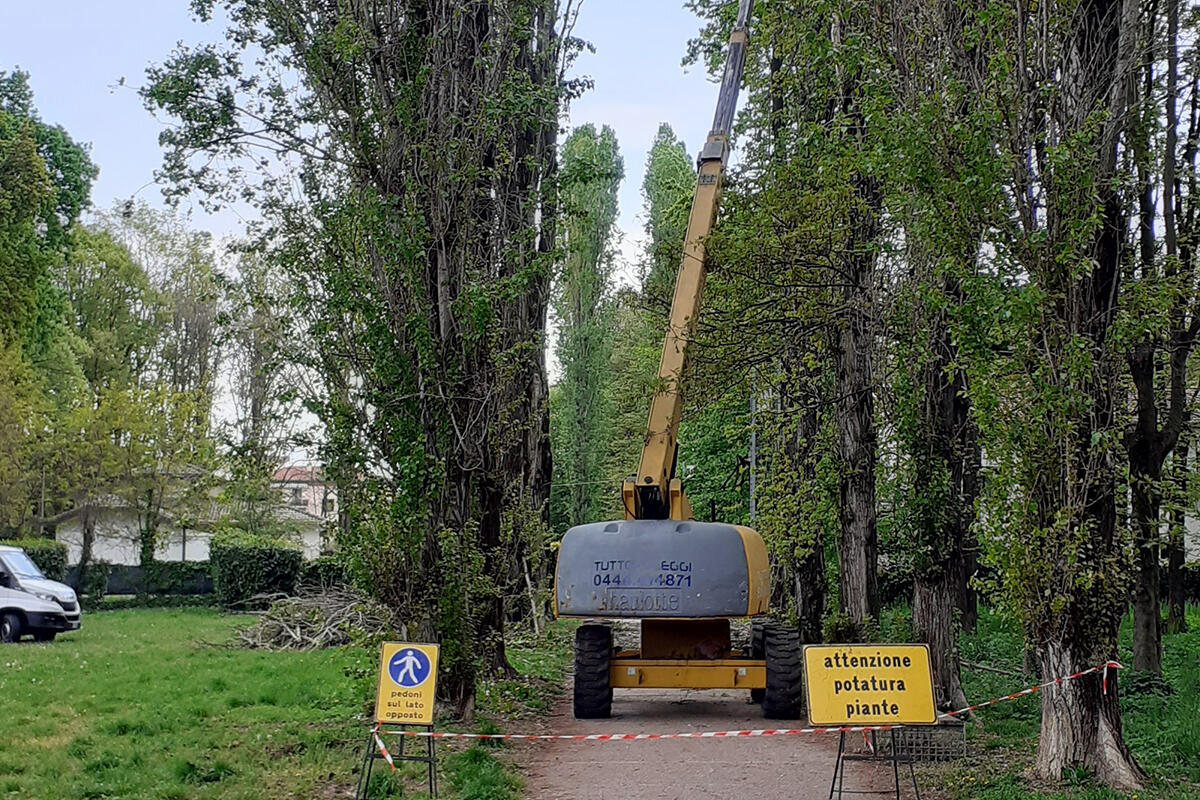
What does excessive tree pruning entail?

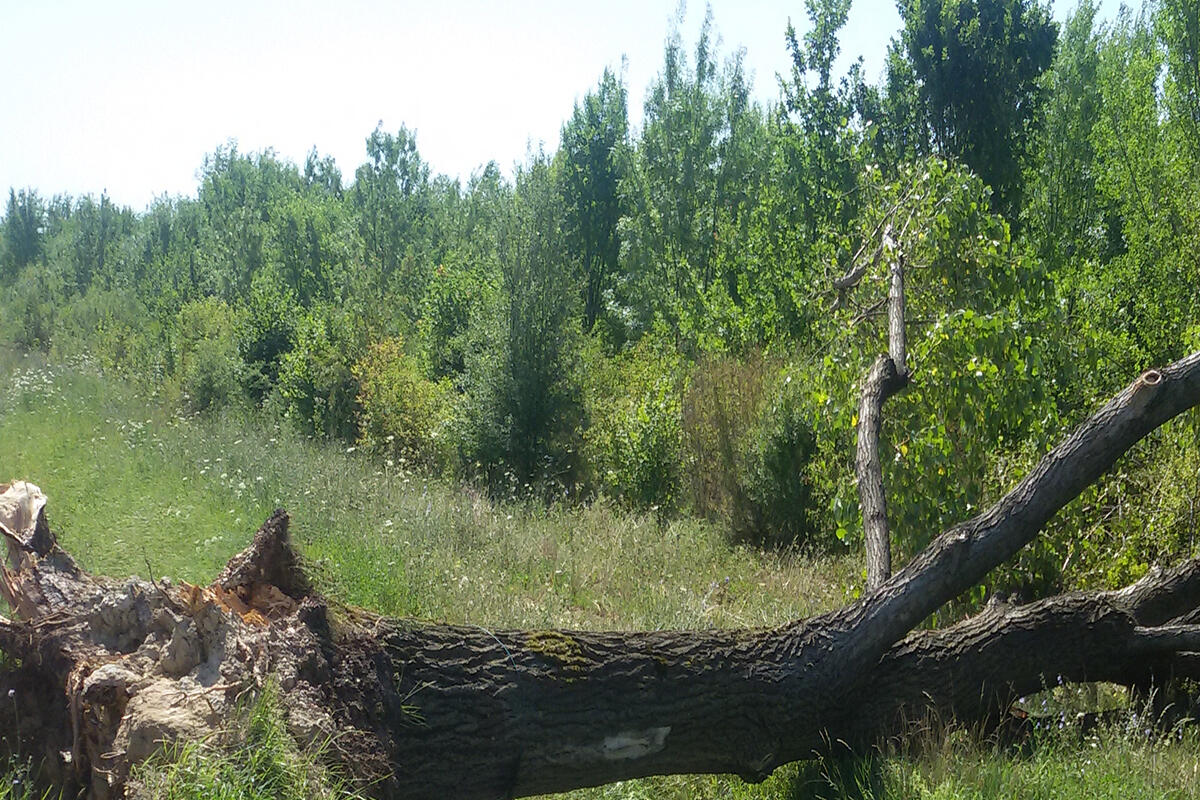
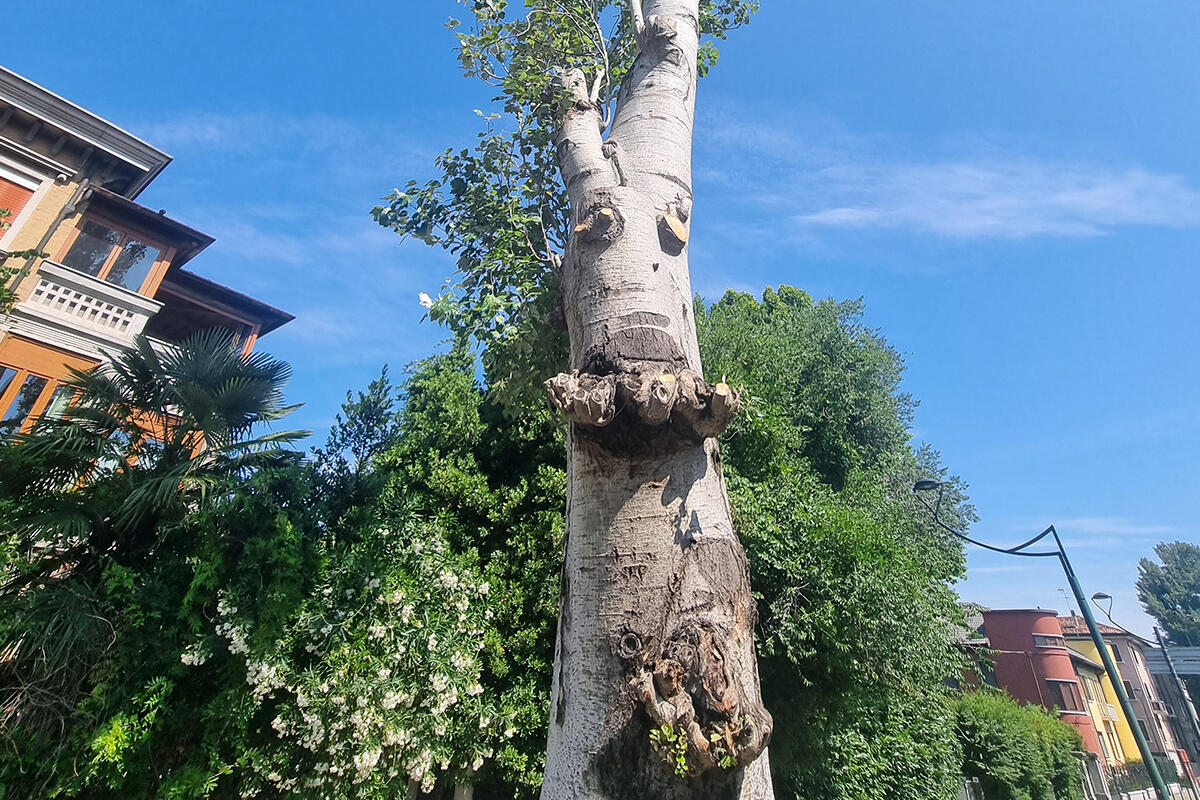
Cutting too many branches from a tree has consequences beyond the ephemeral feeling of having “fixed” greenery that now appears tidier. In fact, lacking the leaf apparatus, plants heat up faster, and the regrowth of cut stems can be faster than the previous rate of growth, with the discriminating factor that these are weaker branches that make the tree more fragile, exposing it more to the risk of breakage and falling. This sounds like a paradox, but when one considers that pruning is a real trauma to the plant, the realization that doing so leads a specimen more quickly to decay and risk premature death seems less incredible.

Plants pruned continuously clearly show signs of distress – they clarify from LIPU Venice – in the vicinity of cuts, necrosis is created, due to the entry of water from holes and crevices, which thus begins a process of rotting that can lead to the death of the tree in a few years. There are examples of plants that have never been cut and have hundreds of years on their shoulders; it is no coincidence that, paradoxically, a large proportion of the trees that fall have undergone “maintenance” with cutting operations that predispose them to weak situations, with operations that instead of stabilizing worsen the situation. An example? In nature, there are no plants with branches that tend only upward, because low branches tend to stabilize the plant in high winds. And which ones are cut most often? Just the ones that are most useful for safety… “.

What to learn from the falling tree in Venice's Piazzale Roma?

We at LIPU Venice had been saying this for years that cutting down the holm oaks was very dangerous,” say the volunteers disconsolately. trees should be treated as living elements, they are not benches or ornaments, in Piazzale Roma between asphalt, kiosks and reduction of permeable apparatus the areal was not enough, add unnecessary cuts and here the plants went into severe stress. This generated a phobia and panic in the citizens who are contacting us alarmed of any intervention on the green in Venice. The first thing that needs to be done when deciding to plant a tree is to choose the right type of plant for the environment in which it is to be placed, but unfortunately, public administrations often, in their haste to create green lungs, neglect this fundamental step “.

It then becomes crucial to plant trees and make interventions at the right time – they conclude – doing so in the summer risks compromising the future if not the very existence of the plant, in the early years then the greenery should be followed and monitored, taking care of it with bark-based mulch and shavings to make it take root better, avoiding heat stroke and excessive cold in the winter, helping to retain water. In the face of climate change, trees are increasingly a resource, given their ability to mitigate heat, as well as enhancing residential spaces more as well, the City of Venice has an excellent regulation, together with WWF we have requested the administration to implement it, reinstating a “forum,” a green council, to make participatory decisions on public green, to avoid misunderstandings and not to trigger panic among residents “.

Argomenti correlati: , , ,
Author:

Iscriviti a GREEN&SALUS e non perderti nessun aggiornamento, ti invieremo 1 volta a settimana i nuovi articoli!