Logo Salus & Green

Flamingos at airport: risk in Venice lagoon

fenicottero-bianco-in-laguna-di-fabrizio-doria
Birds getting closer to Tessera hub that will double in size and passengers by 2037

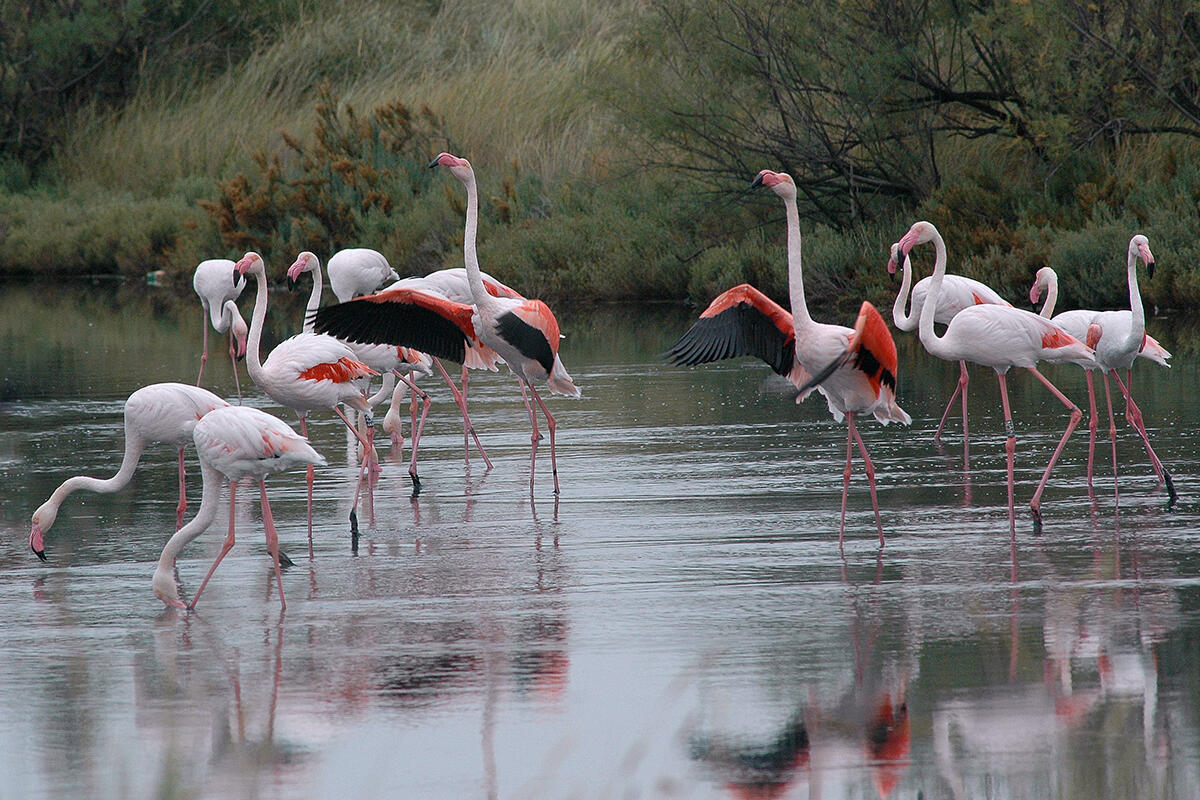
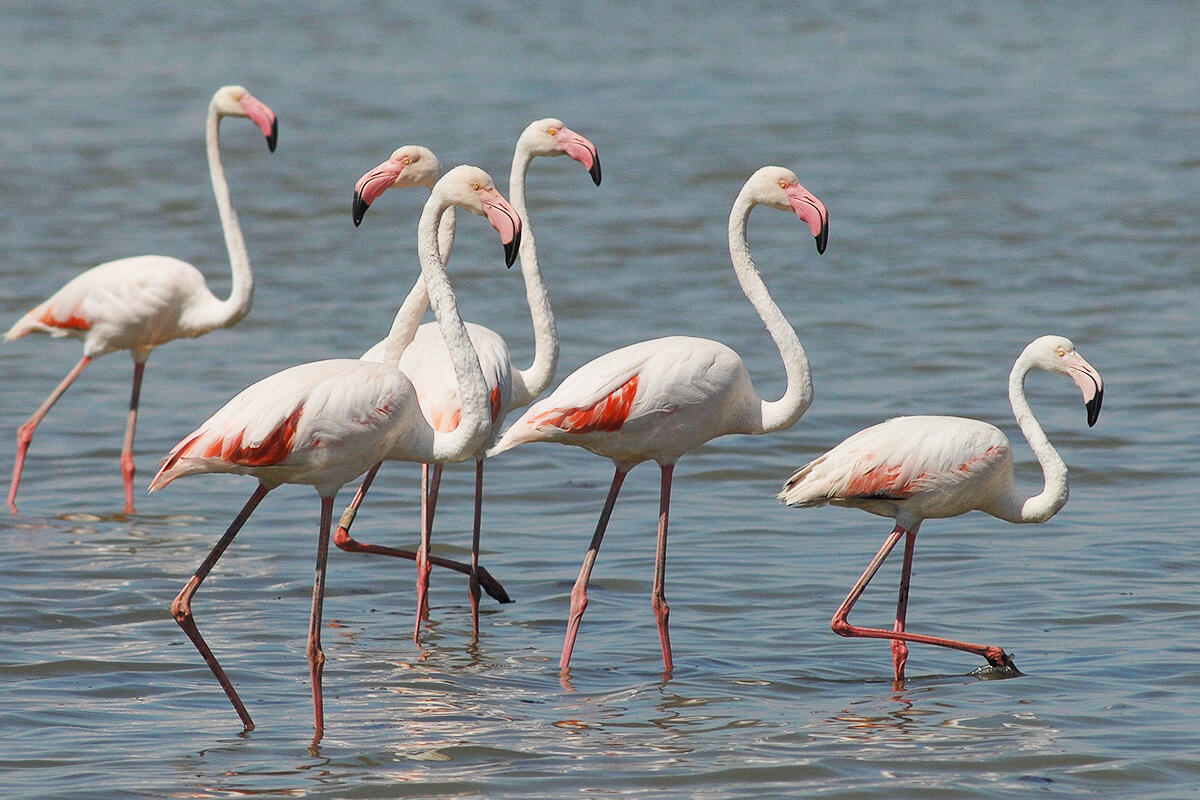
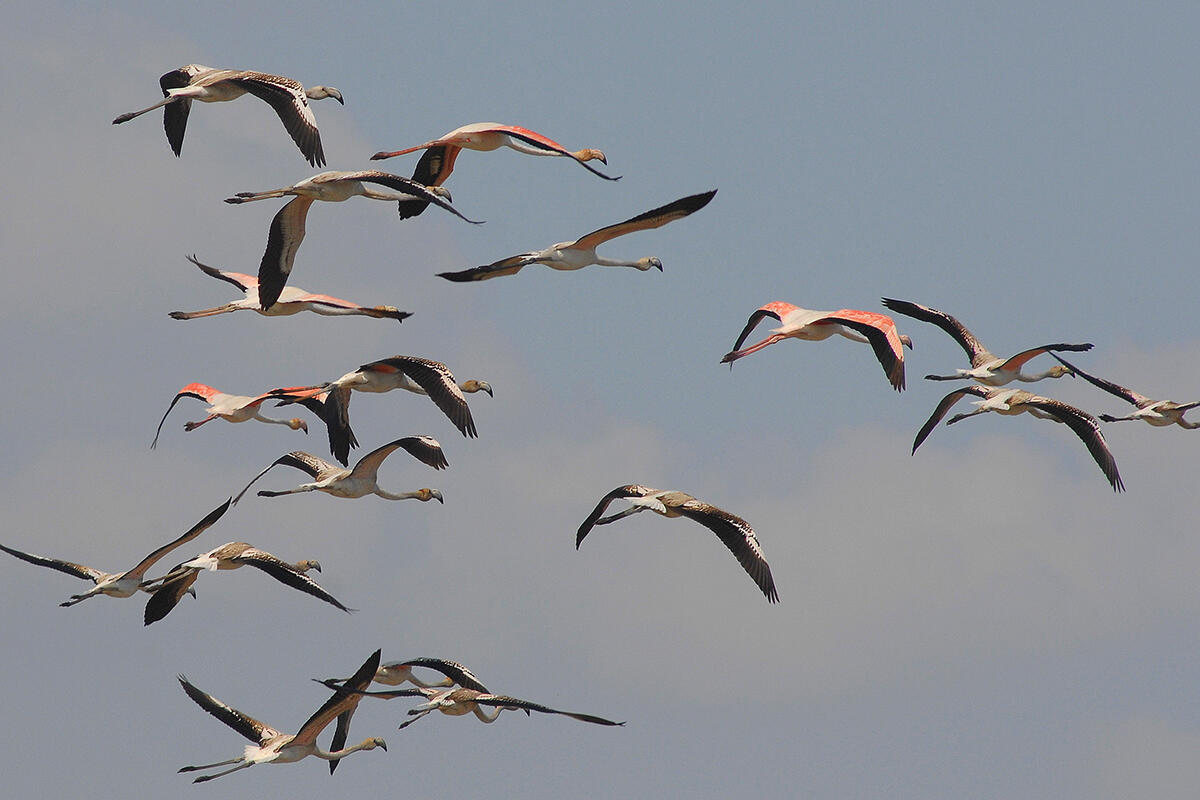
Whether one is an animal lover or not, the presence of birds near an airport poses quite a safety problem, both for the birds and for flight personnel and airplane passengers. Venice Marco Polo Airport in recent times has been facing a notable presence of flamingo specimens near its runways, raising no small amount of concern given plans to double its area by 2037 from 11 to 20 million passengers in transit each year. It is no coincidence, in this sense, that at the technical table convened last July 8, 2025 at the Public Works Superintendency for the Triveneto of the Ministry of Public Works, the animal welfare associations of LIPU Venice and WWF were also invited.

We have many other areas with similar characteristics to the salt marshes outside the Marco Polo site where white flamingos as well as herring gulls and sacred ibis are stationed ,” explain from LIPU Venice. we assume that the massive presence in this area is the result of disturbance by human activities in areas more suitable for their presence within the lagoon. From flights of tourist planes in the northern part, through practices of photographing eareas and filming with drones, as well as unpermitted activities by some economic realities of bird removal. Even in the shallow areas, the typical “shoals,” navigation through them disturbs the animals, which thus congregate in the “quieter” area of the airport, because paradoxically they become more accustomed to constant noise than to sudden “.

Photos by Paolo Vacillotto
White flamingos in Venice lagoon: a census is needed

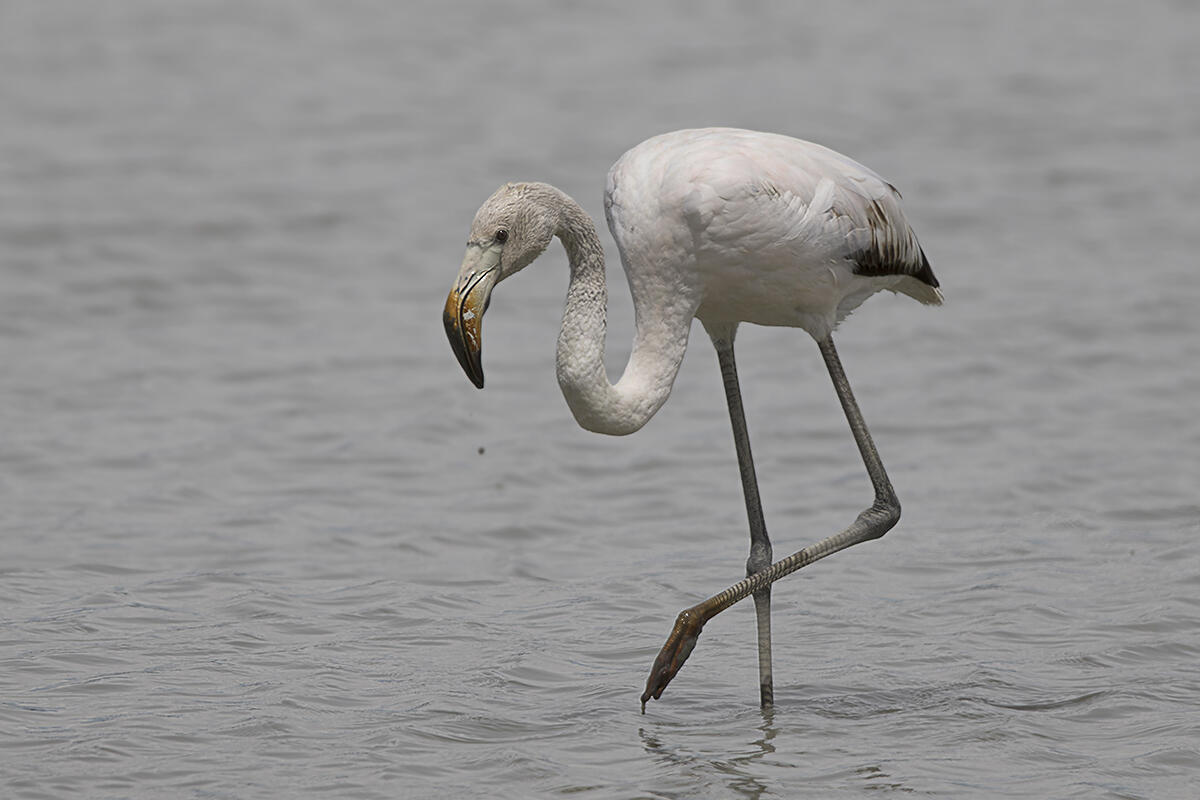
Although it is not, the flamingo has become ‘typical’ of the lagoon with a consistent presence in the last 10-15 years,” they add from the association. previously confined to wintering in some migratory routes from North Africa, Spain and Turkey, while today it is practically sedentary because it has found an ideal habitat, also aided by climate change that has caused it to gradually abandon destinations such as Sardinia. The problem, which also emerged during the technical roundtable, is that while the presence is known there is a lack of reliable numbers with a census of how many sedentary specimens there are in the lagoon, this is the first thing to do to get an idea of how large the phenomenon affecting this wild species is “.

Censoring them is further important because of their ethological behavior – explain from LIPU Venice – it is a gregarious lineage that moves in groups. Given their size they might clash with other smaller species, but since they are wild animals after an initial confrontation in the same habitat they find a balance for coexistence. This is evidenced by the fact that we are not aware that they steal food for other animal families, at most in confined spaces with much concentration they might alter the bottom, but no news or evidence to this effect has come in, so the maxim that there are no harmful creatures in nature applies to flamingos as well, but at most in an excessive peak. This is not their case at the moment , but it still does not seem like a good idea to put their safety and that of airport passengers at risk, so this situation must be addressed “.

Photos by Paolo Vacillotto
Habitat disturbance: why flamingos move into the Venice lagoon

Why then these birds are progressively moving to the Marco Polo is quickly explained,” the volunteers clarify, ” the flamingos are being disturbed in other areas of the lagoon finding an apparent oasis of ‘peace’ here, to the detriment of the North and South Lagoon and at the port of Chioggia . Birds in fact adapt to a homogeneous and continuous disturbance, just like that of an airport, while they are frightened by sudden and unexpected noises, typical of human presence. To this end, it should be remembered that the Venice Lagoon is a Site of Community Interest for the Protection of Flora and Fauna, included in Natura 2000 Network protected wetlands “.

If disturbed then they will move,” they warn, ” but the Marco Polo is a very dangerous place, Save has also understood this, but the proposed tools to keep them away, such as lasers, which only keep the birds away for a short time and risk damaging their eyesight by injuring it, a sense that is essential for birds such as flamingos to orient themselves on long crossings, will not be enough. It is therefore necessary to work in the entire perimeter of the lagoon to restore the optimal conditions of thehabitat for biodiversity, while limiting human disturbance as much as possible. Small things would suffice, from avoiding motor boats in the shallows, to suspending year-round hunting, to avoiding using fireworks for festivals, such as Redeemer, which for us are half an hour of entertainment but for animals hours of unnecessary suffering “.

Photos by Paolo Vacillotto
Changing habits to preserve the Venice lagoon

Why should we change our habits? – they wonder from LIPU Venice – first of all because these are not such terrible sacrifices, but more importantly because nature is telling us this in proof of blindness and deafness: climate change requires a collective effort and we are inside a fragile system, where every slightest change has major consequences, so even “just” having birds insisting on the airport, can have a huge impact, since they are now sedentary, they have to be managed. Already we are risking losing a lot of species, it would be foolish to lose flamingos as well, endangering the lives of everyone, humans and animals. We are convinced, as people defend what they know, that making information on this issue, can yield great results “.

Therefore, it is possible to experience the lagoon in a different way. – they conclude – for example by creating mitigated trails and observation huts for photography enthusiasts, banning the use of fireworks within it, extending the area interdicted to navigation, expanding the signage also in English, above all by enforcing rules, regulations and sanctions also against bird removal and reasoning about the closure of hunting activities. In the coming years the lagoon will have to handle many more people than today with the doubling of the airport, so conscious choices have to be made to preserve this fragile ecosystem, there are no magic wands, only awareness to initiate a collective change. That is why we would like to see zoologists and ethologists from the nearby universities of Padua and Ca’ Foscari he experts from the Giancarlo Ligabue Museum of Natural Sciences in Venice at the next technical table, because anyone can contribute with a scientific approach, including hunters, it is necessary “.
Argomenti correlati: , , , ,
Author:

Iscriviti a GREEN&SALUS e non perderti nessun aggiornamento, ti invieremo 1 volta a settimana i nuovi articoli!