Logo Salus & Green

RARA Factory: new alternative rare earth materials

rara-factory-stefano-bonetti
Company, spin-off, of Ca’ Foscari University from Venice challenges the world

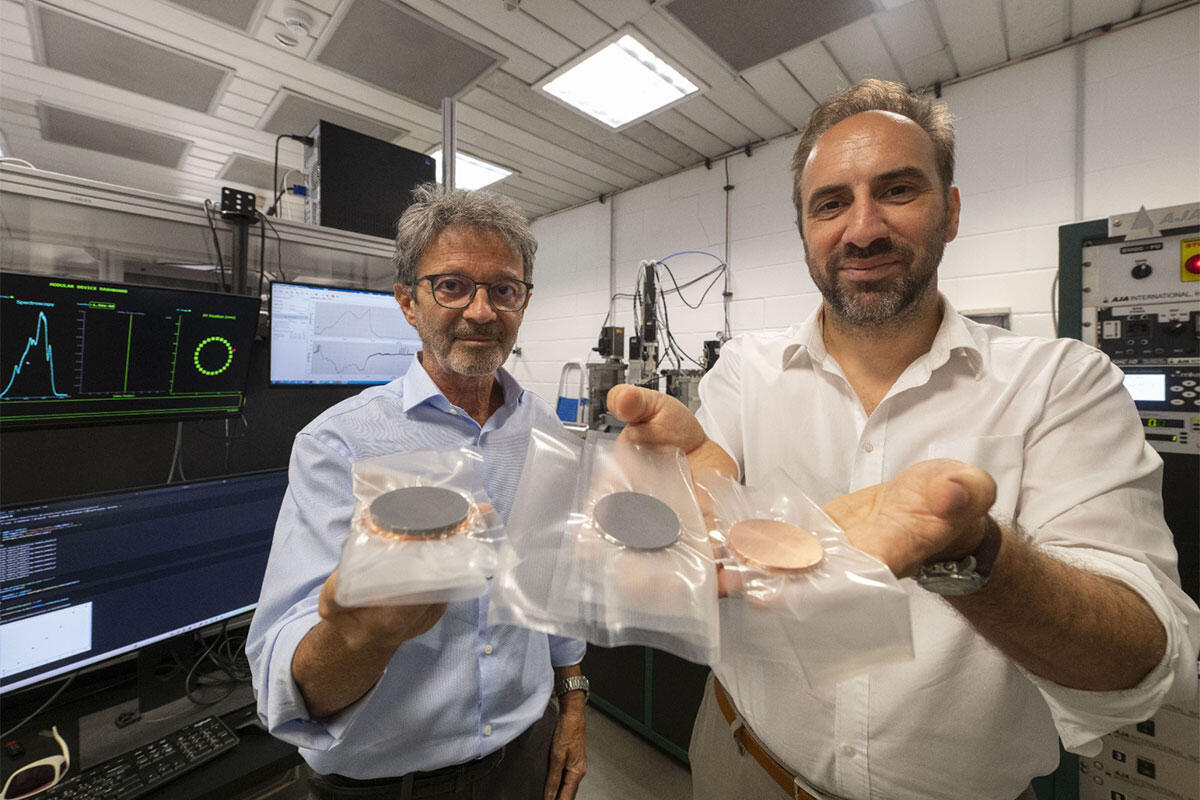
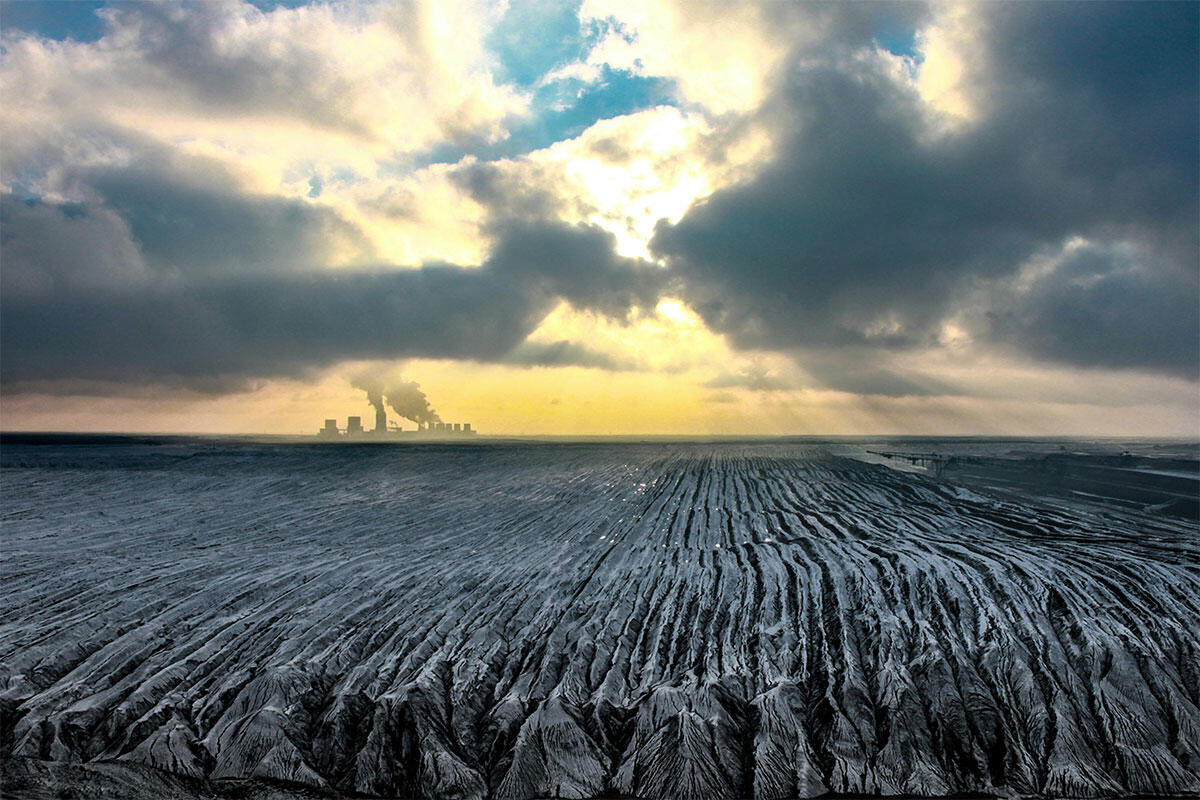
How many as children always dreamed of being able to create and shape matter? Today that dream is no longer fantasy, but science. Last July 17 saw the inauguration of the laboratory of RARA Factory, the first Italian company that researches and prototypes new alternative materials to rare earths, and it does so in the spaces of the VEGA Science and Technology Park, as a spin-off of Ca’ Foscari University of Venice. The ambitious goal is to create sustainable substitutes for the precious minerals that are the basis of the technology we depend on but to which the planet yields great resources and whose extraction processes are not always respectful, either of the environment or of people. At present, the start-up is able to produce about 150 samples a day, reaching the goal of more than 10,000 annually by the end of 2025, whose magnetic, thermal and optical properties are being tested.

The basis of the technology advanced fielded by the enterprise there is A patented algorithm that through the use of artificial intelligence simulates the combination of common elements in nature, such as silicon, aluminum, iron, and calcium, To give rise to new materials with equivalent or superior properties to known alloys. The team at work consists of physicists and computer scientists, who have worked on more than 45,000 materials. “As a first goal, we focused on alternative materials to neodymium magnets – explains Stefano Bonetti, Cofounder and Scientific Director of RARA Factory and Full Professor of Experimental Physics of Matter and Applications at Ca’ Foscari – for their use in automotive and renewable energy, but our methodology can be applied to any element“.

Rare earths and the story of the birth of RARA Factory

By ‘rare earths’ we denote 17 elements, 15 of which are placed in the penultimate row periodic table, endowed with a particular structure,” the academic tells us. this name arises from a semantic error, in fact they are not in small concentrations but difficult to locate, but they are the basis of the technology we use today for electric motors and wind turbines, of which the best known is neodymium, one of the most powerful magnets known but very light. Although they are critical to the green transition, theextraction of these elements involves geopolitical problems, since the monopoly is Chinese but deposits are located in both Asia and Africa. Our goal is to recreate materials with the same, if not better, performance but with cost savings of at least 30-40%. Thereare1080 combinations of materials, as many as the number of atoms in the universe, thanks to our algorithm we want to sift through them to find the best alternatives “.

But how did this idea come about? “Often things come about by chance and from a combination of factors,” Bonetti confesses. I have always been fascinated by the world of materials and had in mind different ways of approaching their study, so when I got the call from Prof. Michele Bugliesi, the other founder, I left Stockholm to meet in Venice also with Guido Caldarelli, a physicist and network theorist. So between a spritz and a few dinners, the idea was born. It all started with a phone call from a colleague who, with the outbreak of the conflict in Ukraine, was concerned about the rising cost of gas and rare earths, critical materials for industry. So we thought, why not make them in-house? We approached the materials as if they were mathematical objects, pooling our expertise to make the first map of these composites “.
Computer technology applied to the physics of materials by RARA Factory

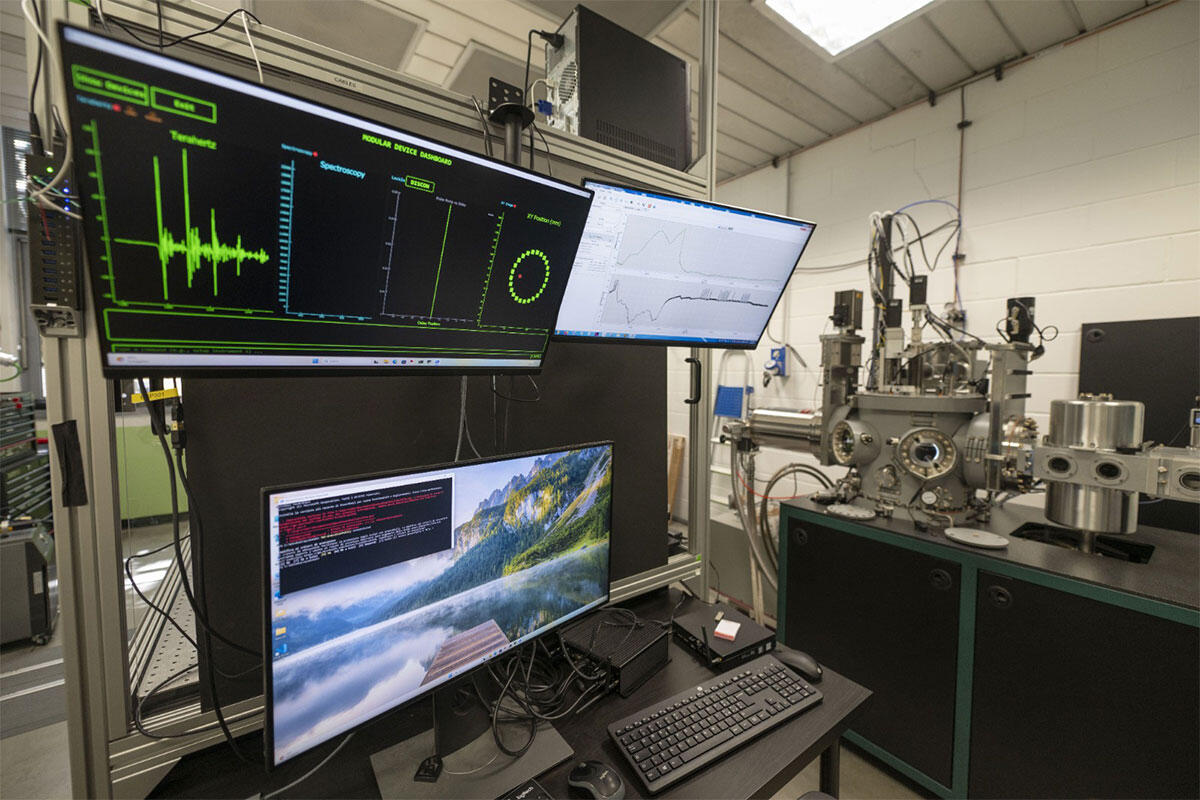
The laboratory we set up is equipped with advanced computational systems for designing new materials using a proprietary AI model,” adds the physicist. complemented by tools for synthesizing new alloys that we literally “make in house” from mathematically developed models for their composition. So far, the algorithm has been successfully tested on more than 45,000 materials, demonstrating the potential to revolutionize the supply of critical raw materials for strategic economic and industrial sectors, as well as technology. It was precisely to focus on the ecological transition that we focused on magnets as our first target, given the high demand.”

But once these materials are discovered, how are they then developed? “Our desire is not only to demonstrate scientific impact,” clarifies Michele Bugliesi, Founder and CEO of RARA Factory, Full Professor of Computer Science and former Rector of Ca’ Foscari. the goal is, through industrial partners, to create a complete value chain, defining large-scale production of these new materials that, once patented, can be licensed for use, as is already done with vibram and gore-tex, for example, creating something similar in the field of metals. At the moment we are about ten collaborators in addition to the founders, but we have already received support from entities such as Unicredit and Motor Valley Accelerator and Plug and Play “.

Professors Michele Bugliesi and Stefano Bonetti
Environmental impact and sustainable development with rare earth alternatives

The proprietary algorithm was programmed from scratch and is covered by a registered patent as Professor Bonetti explains, “One part is quite standardized, while the AI part was developed internally, the key to everything for the technology to work, however, is to give input data to be processed correctly, so we worked a lot on the database, composed starting also from open sources but full of errors that we corrected through testing and creation of these materials, the artificial intelligence then supports us by learning consistently from the processes, correcting the source information accordingly through laboratory testing. In short, the revolutionizing part is the quality of the final data, because while AI has been in the market for 10 years at least, in the field of materials the stumbling block was information, because as they say in America “Garbage in, garbage out” “.

We then wanted to be credible in front of companies not only with theory but with practice,” the lecturer concludes. for this materials we not only design them on the computer but also make them through a mini-creation and characterization facility to test them to follow. Thanks to our algorithm’s technology it is as if we can draw a map of uncharted territory, in fact 99% of what we will make and analyze will be materials that have never been produced, and the more we make the more predictive artificial intelligence can be. In this way we could reduce the impact of rare earth mining and its human and environmental cost by using the poorest and most common materials possible, with the option of opening ourselves up to reuse and recycling. All of this, with global impacts, will start in Venice, where there was an opportunity for a meeting of knowledge and support for a project like this “.

Author:

Iscriviti a GREEN&SALUS e non perderti nessun aggiornamento, ti invieremo 1 volta a settimana i nuovi articoli!