Logo Salus & Green

“Sustainable” food: from the crisis an opportunity

bortoluzzi-cibo-sostenibile-fresco-e-sano
By Francesco Bortoluzzi, gastroenterologist Ulss 3 Serenissima

Grave times are running for our poor planet and for all of us: climate change, with the ominous consequences of extreme heat again this summer and torrential rains with hydrogeological risk in large areas of the country, wars, difficult availability of raw materials, the recent pandemic… Not exactly a great time!

In trying to come out ahead, even a few individual behavior changes play a key role and can make a difference. Speaking of nutrition, what can we do about it? What steps to take to have a smaller impact on the planet? Slow Food launched the slogan “Feeding Good, Clean, Fair and Healthy” a few years ago (read more here: https://www.slowfood.it/cosa-facciamo/cibo-salute/ and here: https://www.slowfood.it/il-buono-pulito-e-giusto-secondo/). But what does it really mean?

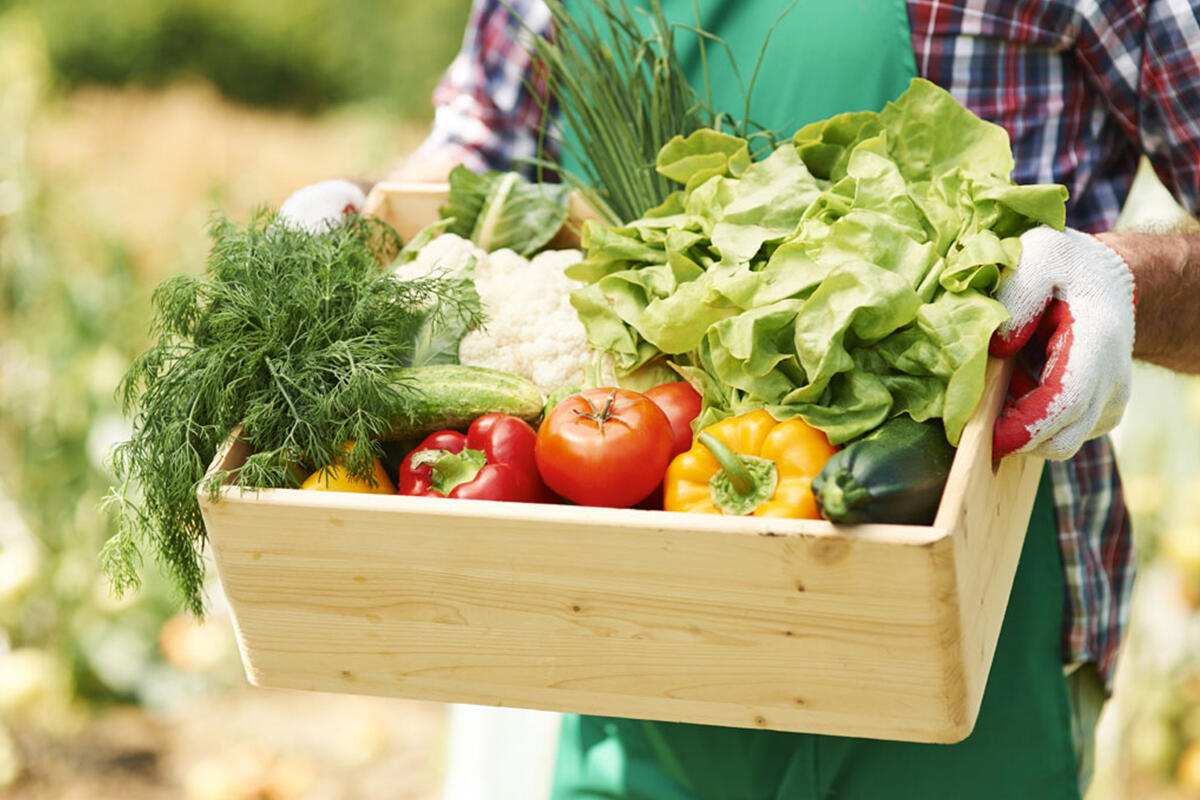
Image by Freepik
How to eat well for a positive impact on the planet

Good means fresh, seasonal and tasty: that is, it means rediscovering traditional foods and dishes, to eat with pleasure and in a balanced way, with all the nutrients we need and without supplements and various pills. Clean, on the other hand, means “food that does not leave a trail of dirt behind it“: i.e., eating foods that are zero kilometer or close to it, produced without excessive use of fossil fuels, transported for short distances – thus, causing minimal pollution – that have not contributed to deforestation and that do not use excessive packaging.

Fair means respecting the work of producers and legality: quality food means hard and passionate work, which must be recognized and valued, including economically; only with a fair distribution of value can we maintain valuable production chains.

Image by tawatchai07 on Freepik
Healthy food to address the planet's crisis

Finally, healthy means nutritious, obtained from raw materials that are not or little subjected to processing and especially chemical treatments. There are three forms of malnutrition in the world: by excess, which is when we eat too much; by deficiency, when we eat too little; and by deficiency, when we eat poorly, taking in too few micronutrients. The latter condition has much to do precisely with climate change and the destruction of agrobiodiversity: because of intensive farming, valuable food selection made over millennia of human history is lost.

Human and environmental health are therefore closely linked: a healthy, climate-friendly diet is based on fresh, plant-based products grown according to sustainable or organic practices. It prefers legumes as a source of protein over meat and cheese, and avoids industrial and packaged foods if possible.

Choosing food well to be truly sustainable

The production process of an unsustainable diet produces nearly three times the greenhouse gases produced by a healthy diet. Just to understand: in one year it is equivalent to leaving the car in the garage for three months!

Writer Michael Pollan advised “not to eat anything that your grandmother (or great-grandmother) would not have recognized as food.” How best could we define good, clean, fair and healthy food?

Author:

Iscriviti a GREEN&SALUS e non perderti nessun aggiornamento, ti invieremo 1 volta a settimana i nuovi articoli!