


36,000-year-old blue indigo discovered by Ca’ Foscari
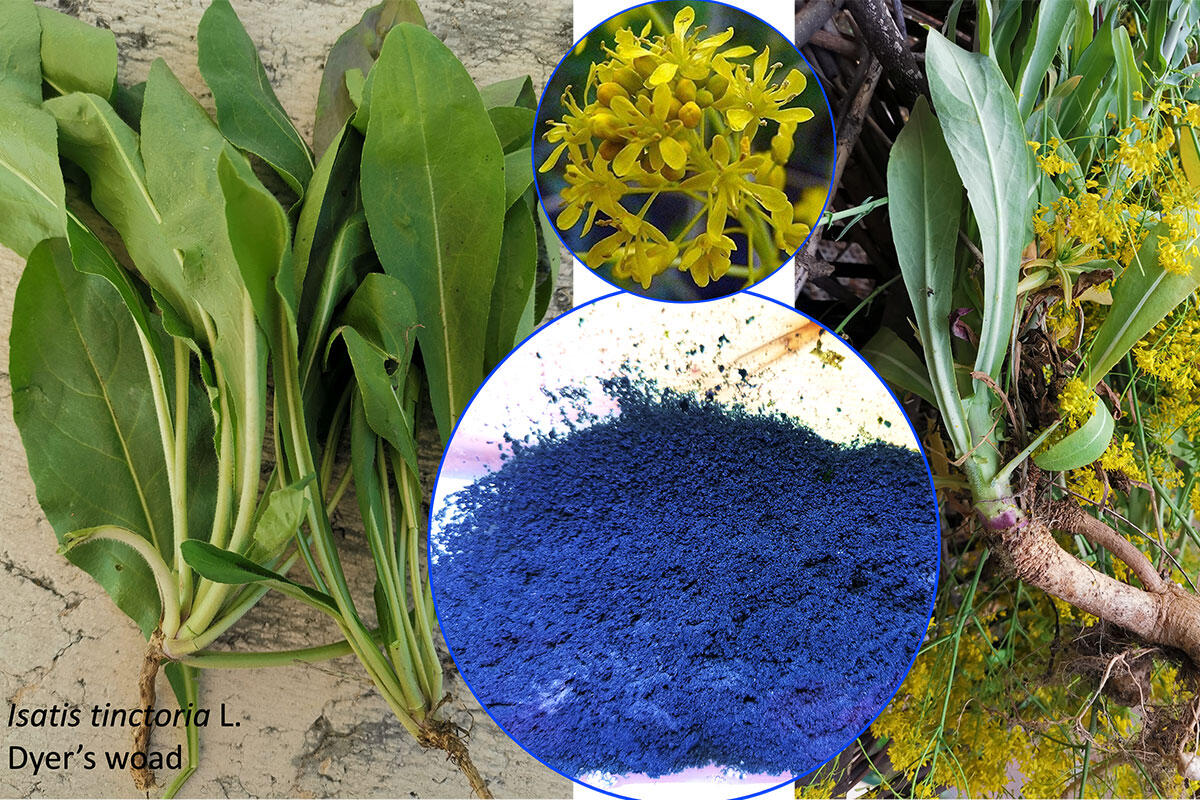
“It seems unbelievable to think that our research work ended up in the prestigious journal PLOS thinking that we made this discovery almost by accident,” says Professor Laura Longo, a research archaeologist at Ca’ Foscari University in Venice. ” The idea came from a grant for a project written together with Elena Badetti, professor of Chemistry of the Environment and Cultural Heritage at Ca’ Foscari disbursed by the U.S.-based The Leakey Foundation to study stones preserved at the National Museum of Georgia in Tbilisi. We were supposed to analyze traces of starches to demonstrate the use of these tools to grind roots into flours, but instead … We discovered traces of indigotin, a blue dye, which is obtained from the leaves of Isatis tinctoria L., known as ford, a plant native to the Caucasus. This means not only did prehistoric man know colors, but he also knew how to obtain indigo blue pigment.”
The original research project, written in 2021, was favorably evaluated by as many as six reviewers, and the grant provided access to the artifact sampling campaign in Georgia. “The initial goal,” the archaeologist explains. was to understand how Archaic Homo Sapiens differed from Neanderthals thanks to artifacts found at the Dzudzuana cave site on the slopes of the Caucasus Mountains in Georgia, formerly excavated in the 2000s by a team formed by Harvard University, the National Museum of Georgia and Hebrew University in Jerusalem. The tools found at the time belong to the Upper Paleolithic dated between about 34,000 and 36,000 years ago. In addition to analyses on the stones, we also considered sediment samples extracted directly from the cave floor ».
